
Lyfe Choyces — It's Your Move!

Articles & Insights

Real talk about growth, healing, and the choices we make every day. Reflections from Brad, host of the Lyfe Choyces Podcast.

Build Your Vision

Build It Before They Understand It

Brad · Lyfe Choyces Podcast

A woman building a miniature spiral staircase whose shadow rises toward a golden doorway
Original AI-generated conceptual artwork.

Sometimes you can see a possibility long before you can explain it convincingly. You want to start the podcast, build the business, change your life, or become someone your old circle wouldn’t recognise. Then somebody laughs. Calls you unrealistic. Maybe even delusional. That can sting, especially when it comes from someone you love. But their reaction doesn’t settle the question of what you’re capable of building. It means you have a decision to make about your next step.

Alex Hormozi writes, “The difference between a confident person and a delusional person isn’t personality, it’s proof.” That’s a useful challenge. Give your belief something solid to stand on. Record the first conversation. Learn the skill you’re missing. Finish something small enough to put in front of another person. You can believe in a future you haven’t reached while staying honest about the work between here and there.

Gary Vaynerchuk puts it bluntly: “Doing always beats thinking, the end.” There comes a point when talking about the dream becomes a comfortable way to avoid being a beginner. Thinking has its place, but you eventually have to risk making something imperfect. Let the first attempt teach you. Let the awkward conversation happen. Give yourself permission to develop in public without expecting your earliest work to represent everything you might become.

Keep enough humility to listen while you build. Someone pointing out a weakness in your plan may be giving you something valuable. Ask what you can test, what needs improving, and what you’re willing to commit to consistently. Set a time to review your progress. Protect the responsibilities and relationships that matter to you. A strong vision can survive an honest question; sometimes that question helps you find a better way forward.

Hormozi offers another direction worth carrying: “Be useful. Help.” That brings the whole thing back to purpose. Who might benefit if you follow through? What conversation needs to happen? What could your experience offer somebody who feels alone? Build from there. You don’t need to spend your life convincing every doubter. Give your effort somewhere meaningful to go, and keep learning from what it produces. Lyfe Choyces—it’s your move.

Inner Power

The Power You Can Practise Today

Brad · Lyfe Choyces Podcast

An older woman directing golden light through a prism while rain falls outside
Original AI-generated conceptual artwork.

When life feels heavy, it’s easy to measure your power by everything you can’t change. Somebody’s behaviour. A decision from years ago. An opportunity that never arrived. You can spend so much energy arguing with those things that you overlook the choices still available to you. Your attention matters. Your boundaries matter. The words you speak in the next difficult moment matter. Start noticing where you have some influence, even when that influence feels small.

Dr. Joe Dispenza writes, “It means overcoming the familiar feeling called you.” I take that as an invitation to notice the patterns we’ve started calling our identity. Maybe you’ve said you’re always angry, always anxious, or simply bad at relationships. Those descriptions can begin to sound permanent. Look more closely at what happens in a particular moment: what you feel, what you tell yourself, and what you usually do next. That awareness gives you something specific to work with.

Steven Bartlett says, “You have to put yourself in situations that will provide you with powerful evidence that counteracts your existing limiting beliefs.” There’s a practical invitation in that. If you believe you can’t speak honestly, try one honest conversation with someone safe. If you believe you never follow through, make one manageable commitment and keep it. Let your experience give you information that the old story about yourself has been leaving out.

“Don’t build confidence. Build evidence,” writes Alex Hormozi. You can begin collecting that evidence without pretending you feel fearless. Pause before replying. Ask for support before you become overwhelmed. Keep the appointment you’ve been postponing. You won’t always choose your first emotional reaction, and circumstances can limit your options. Still, practising a different response can help you recognise an ability you didn’t trust before. Give yourself credit for the attempt as well as the outcome.

The power within you needs somewhere to be practised. Choose one moment today when you’ll bring a little more awareness to your response. Perhaps you’ll listen longer, speak more kindly to yourself, or ask for the help you need. You don’t have to control the whole day to make a meaningful choice within it. Meet yourself where you are, take responsibility for the part you can influence, and give that choice your attention. Lyfe Choyces—it’s your move.

Self-Trust

Stop Asking Everyone for Permission to Be Yourself

Brad · Lyfe Choyces Podcast

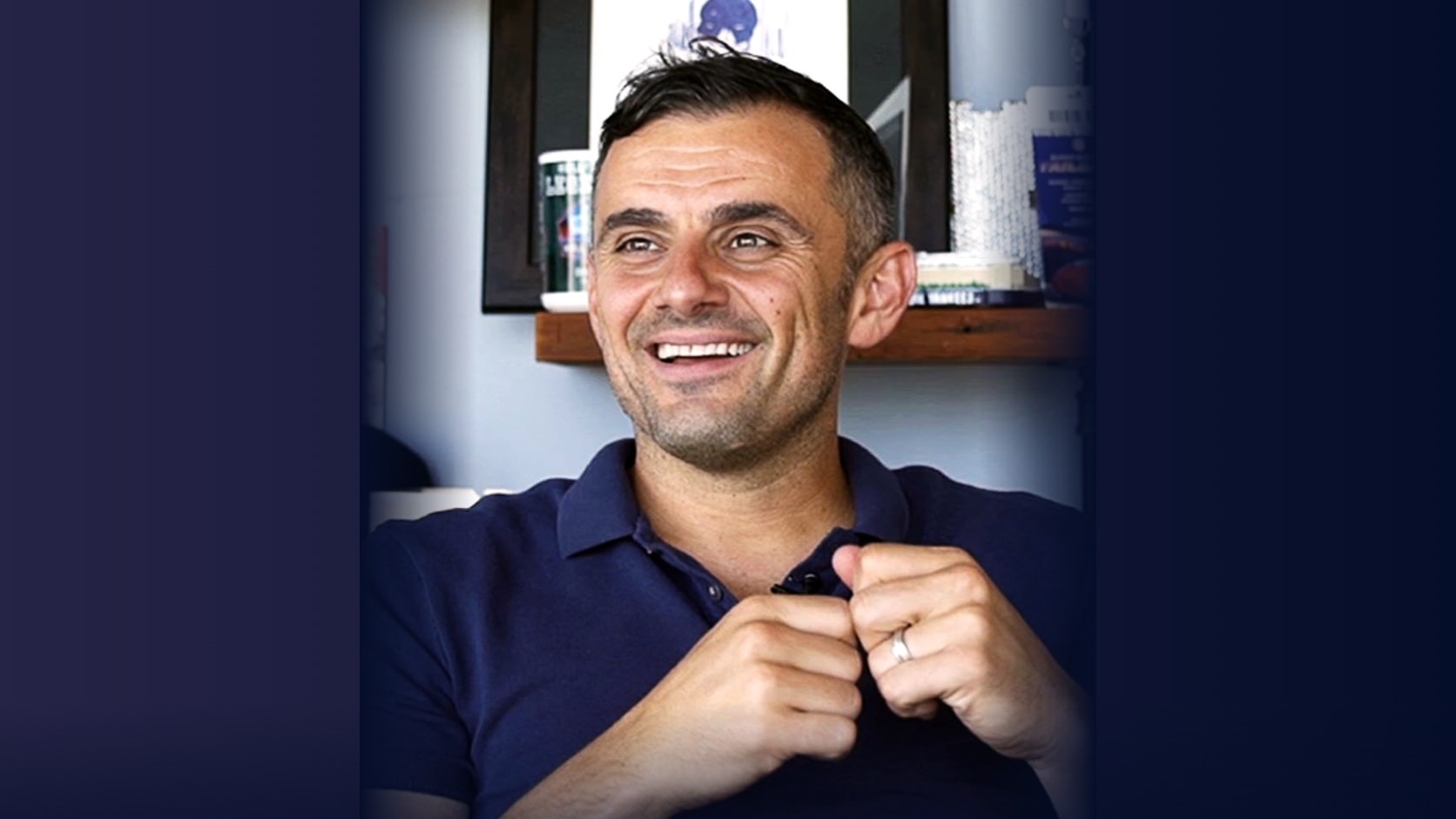
Gary Vaynerchuk smiling in a licensed photograph with navy framing
Photo: Vaynermedia · CC0. Cropped, color-adjusted and framed. Photo source ↗ · License ↗

How many choices have you delayed because you were worried about somebody’s reaction? Sharing your story. Trying something new. Admitting that the life you built no longer fits. Sometimes nobody has even criticised you yet—you’ve imagined the conversation and talked yourself out of moving. Wanting acceptance is human. But when approval becomes a requirement for every decision, other people’s possible opinions start taking up a lot of space in your actual life.

Gary Vaynerchuk says, “Allowing people’s opinion to dictate your behavior, has to stop.” That lands because most of us know the feeling. You can become so busy trying to appear successful, easygoing, or strong that you stop checking whether you’re being honest. Ask yourself what you would choose if you could tolerate someone being disappointed. The answer may reveal a conversation, a boundary, or a direction you’ve been avoiding.

Gary also offers a short reminder: “Judge the judger.” Before carrying someone’s criticism around all day, consider where it came from. Do they understand the situation? Do they care about your wellbeing? Have they offered something specific you can learn from? A person who knows you and raises a thoughtful concern deserves a different hearing from a stranger determined to provoke you. You’re allowed to be selective about whose words you give weight.

Dr. Joe Dispenza writes, “Never stop learning.” Keep that alongside your independence. You can trust yourself and remain open to correction. If someone tells you that your behaviour hurt them, listen. If a trusted friend notices you drifting from your values, consider what they see. Freedom from constant approval leaves room for accountability, because you can examine your actions without treating every criticism as a verdict on your worth.

Let people have their opinions while you practise living by values you can name. Be honest. Make repairs when you need to. Follow through on what matters to you. You may still feel uncomfortable when somebody misunderstands your choices, and that feeling can take time to settle. Give yourself permission to move thoughtfully while it does. Your life deserves your participation, even on the days when the room doesn’t applaud. Lyfe Choyces—it’s your move.

Meaningful Connections

Make Connections You Can Be Yourself In

Brad · Lyfe Choyces Podcast

Steven Bartlett with a slight smile, cropped from Craig Campbell’s licensed event photograph
Photo: Craig Campbell · CC BY-SA 4.0. Cropped, color-adjusted and framed; adapted image shared under the same license. Photo source ↗ · License ↗

You can know a lot of people and still feel alone. You can fill your calendar, shake every hand in the room, and never have a conversation where you feel safe enough to tell the truth. Making the right connections starts with looking beyond what somebody can do for you. Ask how you feel around them, how you treat each other, and whether there’s room for both of you to grow.

“Clear communication is essential,” writes Steven Bartlett when discussing how people work together. That matters outside the workplace too. Say what you mean. Ask what the other person needs instead of guessing. If you’re reaching out to someone you admire, be honest about why. A genuine conversation has a better chance when nobody has to decode a performance. You can be thoughtful and respectful without trying to present a flawless version of yourself.

Connection also asks something of you. Listen without waiting for your turn to impress. Remember what someone shared. Follow through when you offer help, and respect a no without turning cold. Service can be as ordinary as making an introduction, checking in after a difficult week, or giving someone your undivided attention. Let those acts come from care. Keeping a secret tally of favours can turn a promising friendship into a transaction neither person agreed to.

Bartlett also writes, “You don't lose real friends, real opportunities or real relationships when you start standing up for yourself and setting clear boundaries.” I hear that as encouragement to stop abandoning yourself to keep a connection alive. Boundaries can still bring difficult conversations, and even caring people may need time to understand them. Pay attention to what happens over time: can you disagree respectfully, make repairs, and be honest about your limits? Trust needs room for those things.

This week, reach out to one person with genuine curiosity. Ask a question you’re willing to hear the answer to. Thank someone whose presence has mattered. Notice who makes room for your honesty, and consider whether you offer that same space in return. The connections worth building often grow through small, repeated moments of attention. Bring your real self, keep your word, and give trust time to develop. Lyfe Choyces—it’s your move.

Personal Growth

Keep One Promise to Yourself

Brad · Lyfe Choyces Podcast

An older woman building wooden steps around a sapling in a sunlit greenhouse

Let’s be honest. Most of us know at least one thing we need to change. We keep talking about it, thinking about it, waiting for the right Monday. Meanwhile, the same choices keep producing the same results. Growth starts when you’re willing to look at your own behavior without making excuses—and without tearing yourself apart. You can take responsibility and still give yourself some grace.

The Tao Te Ching puts it simply: “the journey of a thousand li commenced with a single step.” — Laozi, chapter 64, translated by James Legge. That first step usually looks pretty ordinary. Making the phone call. Finishing what you started. Saying you were wrong. Doing the thing you promised yourself you would do when nobody is there to applaud it.

Pick one promise you can keep today. Make it small enough to follow through on, but meaningful enough that it matters. Then pay attention to what happens when your actions begin to match your intentions. You start trusting yourself again. That trust gives the next choice a stronger foundation. You don’t have to see the whole road to take your next step. Lyfe Choyces—it’s your move.

Mental Health

You Can Be Honest About Where You Are

Brad · Lyfe Choyces Podcast

A young man untangling thread as paper birds lift toward an open window

You can have a job, people who love you, and a life that looks good from the outside—and still be struggling inside. That deserves an honest conversation. Keeping everything bottled up can become such a habit that you stop noticing how much you’re carrying. Sometimes the strongest thing you can say is, “I’m having a hard time, and I could use some help.”

“Mind precedes all mental states,” says the Dhammapada, verse 1, translated by Acharya Buddharakkhita. I take that as an invitation to pay attention to the stories running through our heads, not a reason to blame ourselves for suffering. A thought can feel convincing without telling the whole truth. Learning to notice it gives you room to ask what you need before you react.

You don’t have to turn every difficult day into a lesson. Some days you need rest, an honest conversation, or support from someone trained to help. Stoic practice can give us useful questions about our responses; it doesn’t require us to pretend we’re untouched by life. Start where you actually are. Tell someone the truth. You deserve support before you reach a breaking point.

Health & Wellness

Build a Life Your Body Can Live In

Brad · Lyfe Choyces Podcast

A woman stretching by the ocean with flowing blue and golden light

Your body comes with you into every conversation, every relationship, and every challenge. Yet it’s easy to treat it like something that should just keep going, no matter what you put it through. Late nights, constant pressure, meals on the run—and then frustration when you feel worn down. Looking after yourself begins with noticing how you’re living, without turning that observation into another reason to judge yourself.

“Who knows to stop / Incurs no blame.” — Laozi, Tao Te Ching, chapter 44, translated by James Legge. There’s wisdom in knowing when you’ve done enough for today. Discipline includes knowing when to recover. You can care about getting stronger while respecting your current limits. You can have ambition without making exhaustion the proof that you’re serious.

Choose a routine you can return to when life gets busy. Give yourself room for movement, nourishing food, sleep, and appropriate care when something needs attention. Your routine will look different from somebody else’s because your body and circumstances are different. The useful question is whether your daily choices support the life you want to be present for. Start with one that does.

Relationships

Listen Before You Defend Yourself

Brad · Lyfe Choyces Podcast

A man and woman joining two halves of a glowing paper lantern

There’s a moment in a difficult conversation when you stop listening and start preparing your defense. You know the one. Your partner is still speaking, but you’re already building your case. We all want to feel understood. The challenge is staying curious long enough to understand somebody else, especially when what they’re saying makes us uncomfortable.

“Hatred is never appeased by hatred in this world.” — Dhammapada, verse 5, translated by Acharya Buddharakkhita. That’s worth remembering before you send the message written in anger. You can speak clearly, set a boundary, and hold someone accountable without trying to wound them. Compassion doesn’t require continued access to you, and forgiveness doesn’t automatically rebuild trust.

Try asking, “What am I missing here?” Then listen to the answer. Own the part that belongs to you. Say what you need without expecting the other person to read your mind. Healthy connection takes repeated acts of honesty, patience, and repair from everyone involved. Sometimes that brings people closer. Sometimes it helps you recognize that distance is necessary. Either way, choose a response you can respect when the emotion settles.

Recovery & Sobriety

Stay Honest About Today

Brad · Lyfe Choyces Podcast

A man restoring a compass beside a golden path toward a supportive friend

Recovery carries a lot more than the moment someone stops drinking or using. There are routines to change, relationships to face, and feelings that may have been pushed aside for years. Some days there’s pride and relief. Other days there’s boredom, grief, frustration, or a craving you weren’t expecting. Those experiences deserve honesty. You shouldn’t have to hide a difficult day to prove that your progress counts.

“Guard well your thoughts!” — Dhammapada, verse 327, translated by Acharya Buddharakkhita. In recovery, that can mean noticing when the bargaining begins: nobody will know, one time won’t matter, I can handle it alone. Noticing gives you an opportunity to reach out and use the support available to you. A craving is an experience to respond to; it doesn’t have to become an instruction you follow.

Keep the next step practical. Be honest with someone you trust. Stay connected to the people and professional support that help you. If you’ve had a setback, tell someone and return to care; shame can make reaching out harder. Your history deserves to be understood, and your future deserves attention too. You don’t have to solve the rest of your life this morning. Give today the support it needs.

Overcoming Adversity

Give Yourself Another Way Forward

Brad · Lyfe Choyces Podcast

A young woman flying a patched blue and gold kite after a storm

Some things happen that you would never choose. Losing someone. Getting sick. Watching a relationship end or a plan fall apart. You don’t owe anybody a polished story about how grateful you are for it. Sometimes it hurts, and it stays difficult for a while. Being honest about that pain leaves room for a more useful question: what might help you take the next step?

Marcus Aurelius describes how “that which before was in her way, is now her readiest way.” — Meditations, Book V, in the translation published by Project Gutenberg. I read that as a challenge to work with the circumstances in front of us. It doesn’t make the hardship fair. It asks whether we can find an action, an adjustment, or some help within the situation we actually have.

Your next step might be smaller than you expected. Asking for help. Changing the plan. Getting through an appointment. Letting yourself grieve without giving up on every part of tomorrow. Resilience has room for all of that. You can move forward slowly, and you can lean on people while you do it. Give yourself permission to find a different route—and enough patience to take it one choice at a time.

Growth

Growth Is the Work Nobody Sees

Brad · Lyfe Choyces Podcast

A person climbing a stone trail toward a golden sunrise

Let’s talk about the part of growth that doesn’t make a great highlight reel. The conversation where you admit you were wrong. The evening you follow through even though your motivation disappeared by lunchtime. The moment you catch yourself reaching for an old excuse and decide to tell the truth instead. That’s real work. Around the Lyfe Choyces microphone, those are the choices worth talking about, because they show us what change asks of a person once the excitement wears off.

Laozi writes, “he who knows himself is intelligent” in the Tao Te Ching, chapter 33, translated by James Legge. That kind of knowing takes more than listing your strengths. It means recognizing what happens when you feel rejected, what you avoid when you’re overwhelmed, and who usually pays the price when you refuse to deal with either. Give yourself an honest look. You’re allowed to understand where a pattern came from and still take responsibility for what you do with it today.

“Begin therefore with little things,” says Epictetus in the Enchiridion, section 12, translated by Thomas W. Higginson. There’s something freeing about that. You can practise being dependable by arriving when you said you would. You can practise patience by letting someone finish a sentence. You can practise courage by asking the question you keep swallowing. A small action gives you something real to repeat, especially on the days when a complete life overhaul feels impossible.

Marcus Aurelius offers a short challenge: “Look within” — Meditations, Book VII, translated by Meric Casaubon. I hear a useful question in those two words: am I making this choice because it fits my values, or because I want somebody to approve of me? Praise feels good, but it can’t do your growing for you. Learning to recognise your own motives helps you make a decision you can stand behind when the room goes quiet.

You’ll still have moments when the old version of you shows up early and loudly. Take the feedback. Make the repair where you can. Ask someone you trust to tell you when your actions aren’t matching your words. There’s humility in being a beginner at a better way of living. Progress becomes easier to recognise when you notice that you paused sooner, listened longer, or returned to your commitment after a difficult day.

So choose one pattern you’re ready to work on, and name the action you’ll practise this week. Keep it clear enough that you’ll know whether you did it. At the end of the day, ask what helped and what needs adjusting. Give your effort some patience, and give your choices some accountability. The life you’re building deserves both. Lyfe Choyces—it’s your move.

Healing

Healing Doesn’t Owe Anyone a Deadline

Brad · Lyfe Choyces Podcast

Hands gently holding a ceramic bowl repaired with gold seams in warm window light

People can be quick to ask whether you’re doing better. Sometimes you are. Sometimes you’re holding it together long enough to get through the supermarket, and a song on the way home brings everything back. Healing can feel like that. You deserve space to say how it actually is, without performing a breakthrough for somebody else’s comfort. An honest conversation begins with the person sitting in front of us, carrying whatever today has brought.

“With that gentleness I can be bold,” writes Laozi in the Tao Te Ching, chapter 67, translated by James Legge. Sit with that for a minute. Gentleness can help you say what happened without attacking yourself for how you survived it. It can help you set a boundary before resentment takes over. Sometimes courage sounds like admitting you need company, or telling someone you’re ready to talk but need them to listen slowly.

Epictetus recommends “discretion and gentleness and moderation” in the Enchiridion, section 2, translated by Thomas W. Higginson. He’s discussing how we approach what we pursue and avoid. I think those words offer a useful pace for difficult personal work too. You can be thoughtful about what you share, gentle about what still hurts, and realistic about what you can carry today. You get to choose support that respects your limits.

“Let not things future trouble thee,” writes Marcus Aurelius in Meditations, Book VII, translated by Meric Casaubon. For me, that’s a prompt to return to what needs attention right now. It doesn’t mean worry disappears because you read a sentence. You may still need time, care, and professional support. But when your mind starts trying to survive the next ten years in one evening, it can help to ask what would make the next hour more manageable.

There may be a relationship to grieve, a version of yourself to forgive, or a future you have to imagine differently. None of that becomes simple on command. Keep people around who can hear the truth without rushing to fix it. Let appropriate care be part of the picture when you need it. And remember that compassion for somebody else can exist alongside a firm decision about the access they have to your life. Your boundaries deserve respect while you heal.

Today, make room for one caring action you can actually take. Message the person you trust. Keep the appointment. Eat something, step outside, or let yourself rest. You don’t need a perfect explanation for why this season is taking time. You’re a person moving through something difficult, and you deserve patience as you find your footing. Keep choosing the support that helps you stay connected to yourself. Lyfe Choyces—it’s your move.

Living with Intention

Give Your Day a Direction You Believe In

Brad · Lyfe Choyces Podcast

A person sitting at the end of a quiet jetty facing a calm lake at sunrise

You can spend an entire day answering everybody else and reach the evening wondering where you went. Messages, work, errands, another quick scroll. Being busy can make it hard to notice whether your choices still reflect what matters to you. Living with intention starts with a pause long enough to ask where your attention is going. You’re allowed to have a say in the direction of your own day, even when much of the schedule is already spoken for.

Epictetus asks us to “consider what precedes and what follows” in the Enchiridion, section 29, translated by Thomas W. Higginson. That’s a worthwhile question before you say yes. What will this commitment ask of you? What will you have to put aside to keep it? Enthusiasm matters, and so does an honest look at your capacity. A thoughtful yes is easier to honour when you’ve considered the cost in time, energy, and attention.

Marcus Aurelius advises us to “do nothing rashly” in Meditations, Book III, translated by Meric Casaubon. There’s a practical pause in that idea. Before you send the angry message, buy the thing, or agree just to avoid disappointing someone, give yourself a moment to choose. Ask whether the action fits the kind of person you’re trying to be. You won’t always get it right, but practising that pause gives your values a chance to enter the conversation.

“Who knows to stop / Incurs no blame,” says Laozi in the Tao Te Ching, chapter 44, translated by James Legge. Enough is a powerful word when everything around you keeps asking for more. You can decide the workday has ended. You can put the phone away while someone you love is talking. You can leave space in your week without immediately filling it. Choosing a stopping point helps protect the parts of life you keep saying are important.

Make your intention specific enough to live. If connection matters, give someone your full attention for a conversation. If integrity matters, follow through on the promise you’re tempted to dodge. If your wellbeing needs attention, make room for the care you’ve been postponing. Your circumstances may limit the choices available, and that deserves honesty. Look for the part of the day you can influence, however small, and begin there.

Tonight, take a quiet minute and ask yourself: where did my choices reflect what I care about, and where did I get pulled away? Answer with curiosity. Adjust tomorrow’s plan instead of turning the reflection into another argument with yourself. A meaningful life grows through days that receive some of your attention while you’re actually living them. Choose one thing worth being present for, and give it a place. Lyfe Choyces—it’s your move.